Reliable Backflow Prevention Solutions for Your Property
Expert Backflow Prevention Services
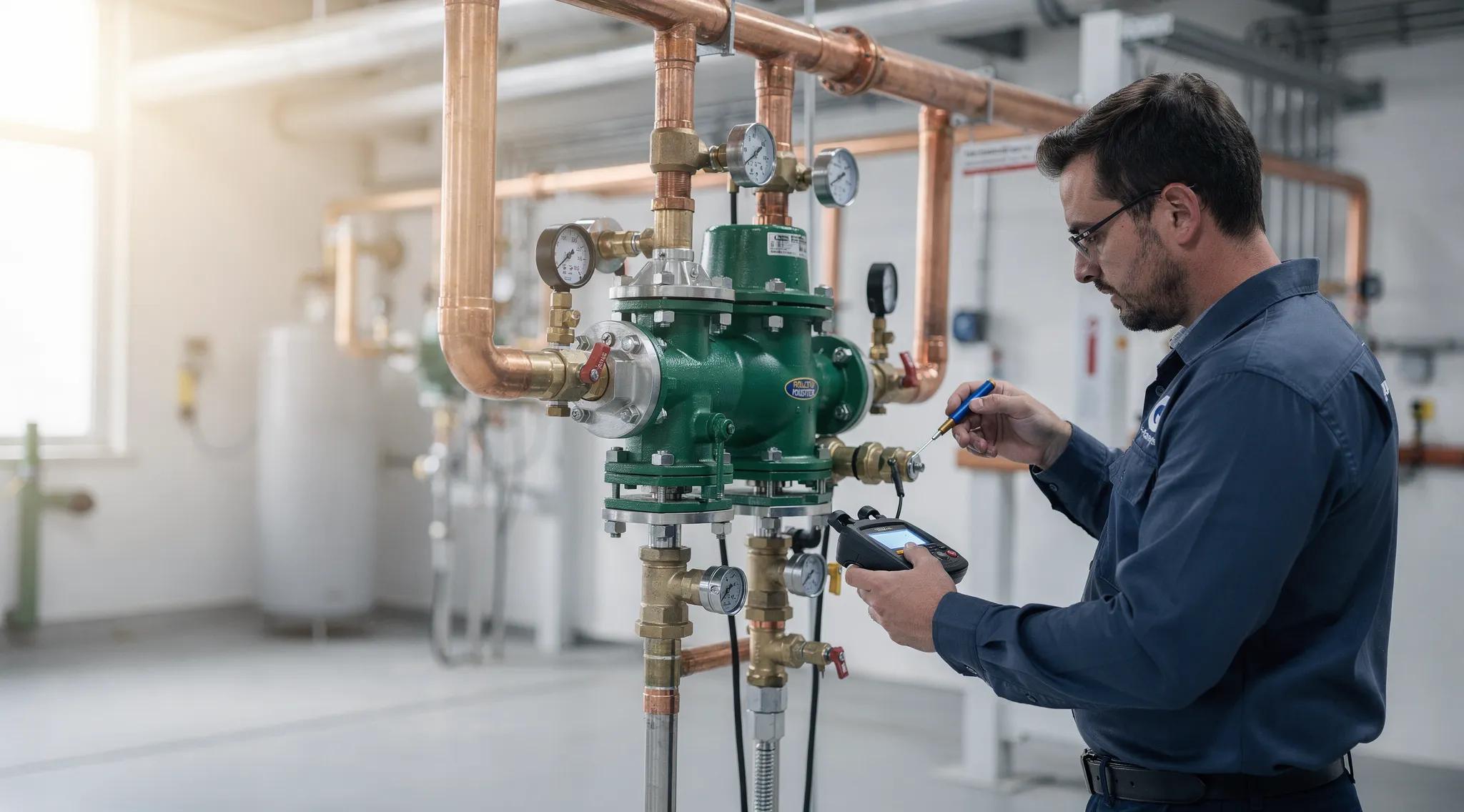
Backflow prevention services certify and maintain assemblies that stop contaminated water from reversing into a potable supply, protecting public health and meeting local and state regulations. This article explains the mechanisms of backflow, the types of prevention devices commonly used in residential and commercial settings, and why certified backflow testing and timely repairs are essential for potable water protection. Property owners and facility managers will learn how annual testing works, what device selection and installation involve, and how regulatory frameworks such as California Title 17 (now the State Water Board's Cross-Connection Control Policy Handbook) and local cross-connection control programs shape compliance. Practical guidance includes step-by-step testing workflows, device comparison data to weigh options for homes versus businesses, common failure signs, and the administrative steps testers follow when filing results with municipal programs. Where appropriate, the article integrates how PRO ROTO INC. supports Redwood City property owners with certified testing, installation coordination, and emergency response while keeping the emphasis on technical education and compliance. Read on to understand testing, installation, repair, regulations, and the key questions property owners ask about backflow prevention.
What Are Certified Backflow Prevention Device Services and Why Are They Essential?
Certified backflow prevention services encompass testing, inspection, repair, and certification of devices that prevent reverse flow of contaminants into drinking water, reducing cross-connection risks and protecting community health. These services work by verifying that assemblies such as reduced pressure principle devices and double-check valves maintain internal check functions and relief components under operating pressure; when a device fails, technicians recommend repair or replacement to restore the fail-safe mechanism. Regular certification also fulfills legal obligations, helps avoid fines, and preserves insurance and business continuity for commercial sites. Understanding this framework clarifies why annual testing and documented results are an operational necessity for many property owners. The next subsection defines backflow itself and explains the physical mechanisms that create contamination hazards.
What Is Backflow and How Does It Threaten Water Safety?
Backflow is the unwanted reversal of water flow that allows non-potable water or contaminants to enter the potable supply, typically caused by backpressure or backsiphonage in plumbing systems. Backpressure occurs when downstream pressure exceeds supply pressure—examples include booster pumps or steam systems—while backsiphonage happens when a drop in supply pressure creates a vacuum that draws contaminants back through cross-connections like irrigation lines or chemical feed systems (see the EPA Cross-Connection Control Manual for technical detail). Even seemingly benign cross-connections—garden hoses submerged in standing water or mixing valves tied to non-potable sources—can create pathways for pollutants to enter drinking water. Recognizing these mechanisms highlights why assemblies sit at strategic points in piping to interrupt reversal events and why inspections must verify valve integrity under test conditions. Knowing these causes sets up the rationale for certified testing protocols that follow.
How Do Certified Backflow Prevention Services Protect Homes and Businesses?
Certified services protect properties by ensuring installed assemblies function as intended through calibrated gauge testing, leak inspection, and internal component checks that detect worn seals, stuck checks, or failing relief valves. Devices such as reduced pressure principle (RP) assemblies provide high-level protection against both backpressure and backsiphonage, while double check valve assemblies (DCVA) and pressure vacuum breakers (PVB) serve lower to moderate hazard applications; the appropriate device depends on the contamination risk and system layout. Routine maintenance and certified annual testing help property owners avoid costly interruptions, protect occupants, and maintain regulatory compliance required by municipal and state programs. Effective service also includes a clear remediation pathway—diagnose, repair or replace, and retest—so system reliability is restored quickly. With that operational picture established, the following section explains how certified testers perform annual backflow testing in Redwood City.
How Does PRO ROTO INC. Deliver Expert Backflow Testing in Redwood City?
Certified backflow testing generally follows a standardized workflow: arrival and site access, isolation of the assembly, calibrated gauge testing of internal checks and reliefs, documentation of pass/fail readings, and submission of results to the authority having jurisdiction. PRO ROTO INC. provides certified testing in Redwood City and the broader Bay Area, delivering technician-conducted tests that comply with California Title 17 and local cross-connection program requirements; the company is California-licensed, bonded and insured and lists licensed credentials for its work. Customers receive a written test report indicating pass/fail status and recommended repairs; PRO ROTO INC. assists with filing results to local programs and provides scheduling support by phone at (650) 269-0190 for inspections and appointments. The next subsection outlines the detailed annual testing steps technicians perform and what property owners can expect during a test.
What Is the Annual Backflow Testing Process by Certified Technicians?
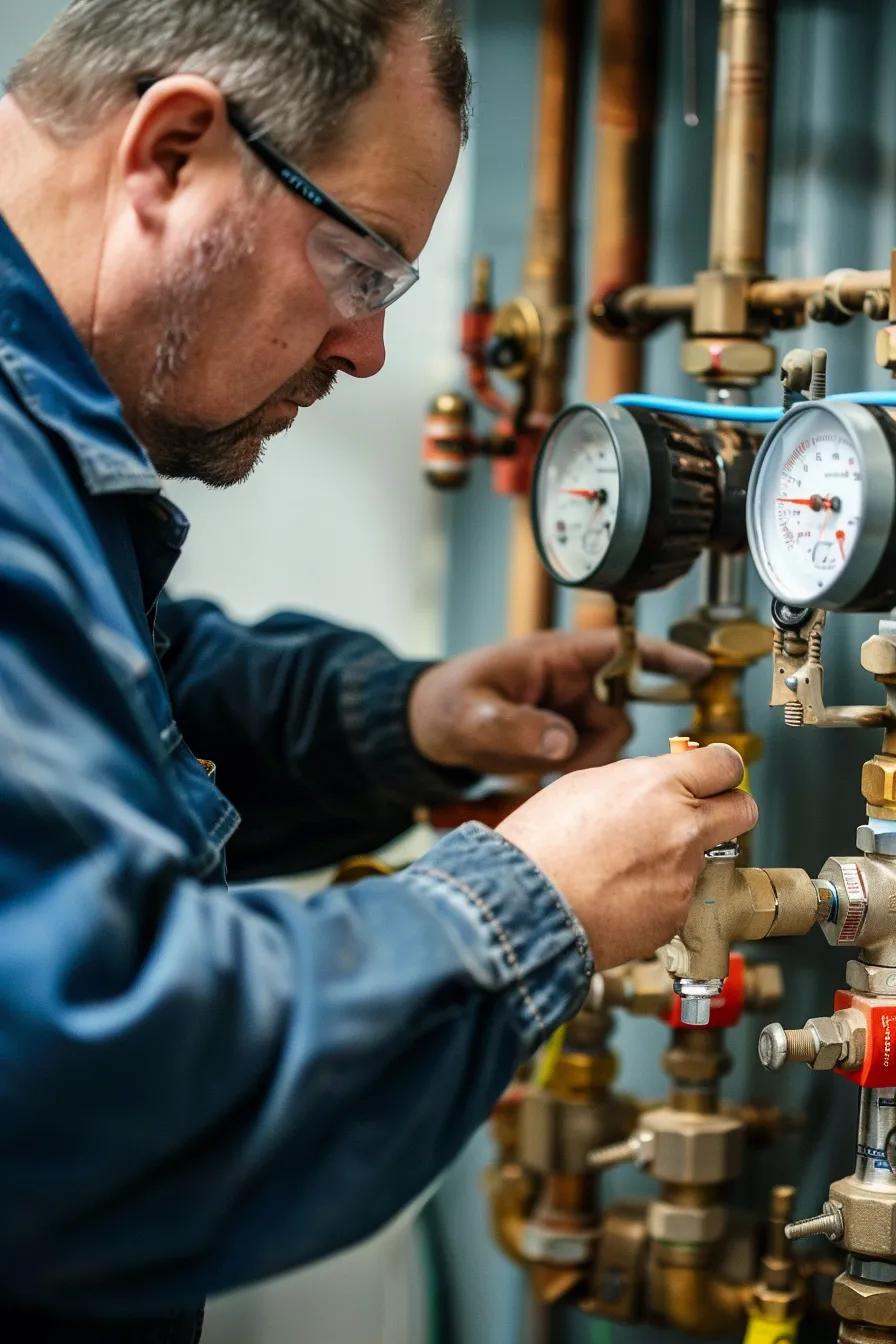
Annual testing follows a repeatable, documented sequence that establishes whether the device maintains required differential pressures and check integrity under static and flow conditions. Technicians arrive prepared with calibrated test kit gauges, isolation fittings, and safety gear, then shut down or isolate the assembly as needed, attach gauges to test cocks, and record baseline pressures before simulating flow conditions to verify check performance and relief valve operation. Typical testing duration ranges from a focused 20–45 minutes for accessible assemblies to longer when access difficulties or repairs are required; the technician will explain access needs and expected time before beginning. If a device fails, the technician documents failure codes, recommends repair or replacement, and outlines retest steps to achieve certification. These operational steps feed directly into regulatory reporting and customer deliverables described next.
Common items technicians check during testing include:
- Differential pressure: verifying check valves hold required pressure.
- Relief valve function: ensuring the RP relief opens and closes correctly.
- Leak and seal integrity: observing for external or internal leaks.
This sequence ensures transparent results and prepares owners for possible repair steps that follow testing outcomes.
What Are the Local Redwood City and California Compliance Requirements?
California law, enforced through Title 17 and administered locally by municipal cross-connection control programs, typically requires annual testing of backflow prevention assemblies and mandates that tests be performed by certified testers who document and report results. Local programs such as Redwood City’s Cross-Connection Control Program set filing procedures, acceptable device types, and hazard classifications that determine the testing frequency and assembly selection for residential versus commercial services. Regulatory updates from the State Water Resources Control Board have refined tester certification standards and reporting expectations, so compliance requires both technical testing competence and accurate administrative filing. Property owners benefit when testers not only complete accurate field work but also submit required documentation promptly to municipal systems to avoid notice or enforcement actions. The following section reviews device installation options for different property types and how installations meet Title 17 criteria.
What Backflow Preventer Installation Services Are Available for Residential and Commercial Properties?
Installation services range from new installs for construction and system upgrades to replacements and retrofits that address failed or obsolete assemblies; contractors coordinate site layout, permit requirements, and post-install testing to produce a compliant result. Device selection is based on hazard level, available space, and ease of maintenance—commercial sites often require high-protection RP assemblies for process connections, while many residential lawn irrigation lines can use PVBs or DCVAs depending on cross-connection risk. Installers must follow Title 17 device standards and local code, provide accessible test cocks, and plan for future maintenance access and valve replacement. PRO ROTO INC. offers installation capabilities that include device selection guidance, permit coordination, and scheduling of post-install certification tests to document compliance with city and state rules. The next subsection lists the common devices and their typical use cases to aid decision-making.
Which Types of Backflow Prevention Devices Do We Install?
Common device types—approved under standards from bodies like the USC Foundation for Cross-Connection Control—include Reduced Pressure Principle (RP) assemblies, Double Check Valve Assemblies (DCVA), Pressure Vacuum Breakers (PVB), and Atmospheric Vacuum Breakers (AVB); each device addresses different contamination scenarios and installation constraints. RP assemblies provide the highest protection against backpressure and backsiphonage and are often required for high-hazard commercial applications; DCVAs serve medium-hazard situations where both checks are adequate without a relief valve. PVBs are commonly used for irrigation and outdoor systems to prevent backsiphonage, while AVBs are simple devices for certain intermittent-use fixtures but are not suitable where backpressure may occur. Below is a comparison table to help property owners weigh suitability, pros, cons, and typical cost ranges for residential and commercial scenarios.
| Device Type | Use Case / Typical Suitability | Pros | Cons |
|---|---|---|---|
| Reduced Pressure Principle (RP) | High-hazard commercial and process connections; high protection required | Broad protection (backpressure + backsiphonage); required by code in many commercial sites | Larger footprint; higher cost and maintenance needs |
| Double Check Valve Assembly (DCVA) | Moderate-hazard commercial and some residential service lines | Compact; lower cost than RP; suitable for many service applications | Not appropriate for high-hazard applications requiring relief valve |
| Pressure Vacuum Breaker (PVB) | Irrigation and outdoor systems where backsiphonage risk exists | Effective for backsiphonage; simple to install | Must be above highest downstream outlet; not for backpressure situations |
| Atmospheric Vacuum Breaker (AVB) | Intermittent-use fixtures with minimal hazard | Inexpensive; simple | Not suitable for continuous pressure or backpressure scenarios |
This device comparison clarifies that device choice depends on both hazard level and installation constraints; the next subsection explains how installations are completed to meet Title 17 requirements.
How Does Installation Ensure Compliance with California Title 17 Regulations?
Compliance during installation requires using Title 17–approved assemblies, installing devices with accessible test cocks and service clearances, and documenting work so that post-install testing can be certified by a qualified tester. Contractors coordinate permit submission and inspections with the local authority having jurisdiction, ensure materials and assembly models meet state-approved lists, and provide as-built information that supports future testing and record-keeping. After installation, a certified tester performs an initial acceptance test and files the certification report with the municipal cross-connection program, fulfilling both the installation and documentation elements of compliance. Clear coordination between the installer, tester, and local program reduces risk of noncompliance and streamlines the path to certification. The following section covers repair and maintenance strategies that prevent contamination risks over the device lifecycle.
How Can Backflow Repair and Maintenance Prevent Water Contamination Risks?
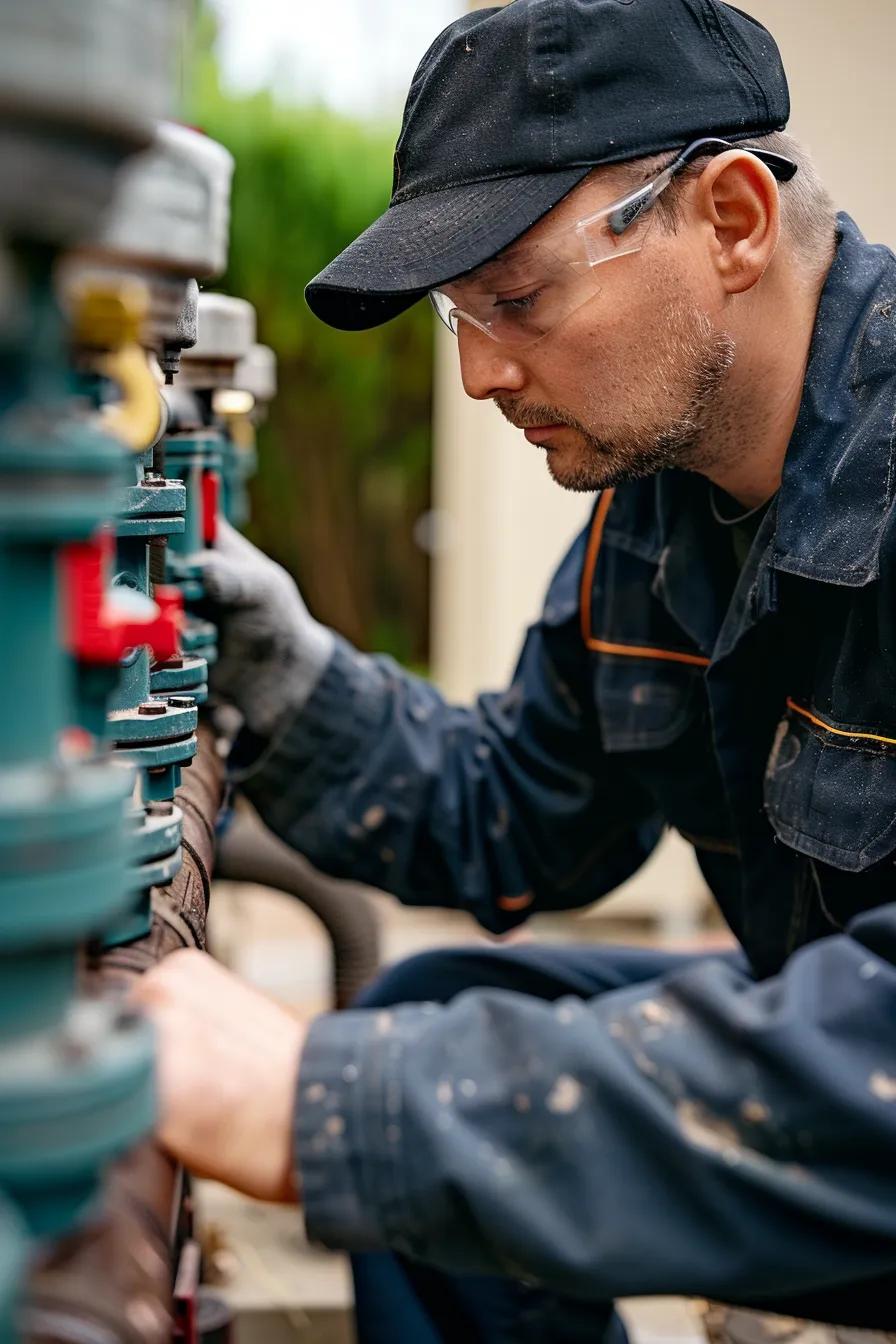
Timely repair and routine maintenance address wear, corrosion, and component failure that could otherwise permit contaminants to bypass assemblies; preventive maintenance preserves device function and extends operational life. Regular activities include exercising shutoff valves, replacing worn rubber components, calibrating test gauges, and scheduling annual certified tests to detect internal failures early. Prioritizing repairs based on risk level—critical relief valve failures at an RP assembly versus minor seal leaks—helps owners allocate budget and urgency appropriately while minimizing contamination windows. A proactive maintenance program combined with prompt emergency response reduces the likelihood of contamination events and the administrative burden of incident reporting. To help owners identify issues early, the next subsection lists common signs that indicate a backflow device needs repair.
What Are Common Signs Your Backflow Device Needs Repair?
Owners can watch for visible and functional indicators that suggest service is needed: external leaks, corrosion at fittings, abnormal pressure readings during routine checks, and recurring test failures reported by certified testers. Other cues include unusual discoloration or taste in downstream water that may suggest intermittent contamination pathways (our leak detection tools can help locate hidden issues), or system pressure fluctuations that could stress check valves and relief components. Frequent activation of relief valves, difficulty operating shutoffs, and rusted or seized test cocks also point to components that require immediate attention and likely replacement. If these signs are present, scheduling a certified inspection and possible emergency repair reduces contamination risk and restores documented compliance. The next subsection explains how emergency repairs are handled when immediate mitigation is required.
Common repair urgency categories:
- Immediate: relief valve failure with contamination risk.
- High: repeated test failures indicating internal check malfunction.
- Routine: minor leaks or worn seals detected during maintenance.
These categories guide response time and repair prioritization, which is critical during emergency events.
How Does PRO ROTO INC. Handle Emergency Backflow Repairs?
When a failure presents a contamination risk, emergency response prioritizes site triage, temporary containment measures, and expedited repair to restore device integrity and protect the potable supply. PRO ROTO INC. offers rapid-response plumbing support in the Redwood City and Bay Area service area, handling triage to isolate the affected assembly, installing temporary bypass or isolation fittings where permitted, and executing repairs or replacements followed by retesting and documentation. The company is bonded and insured and follows certified testing protocols after repairs to produce a retest report that fulfills local filing requirements. For owners facing urgent failures, calling (650) 269-0190 connects them with scheduling options and guidance on interim mitigation while awaiting service. With repair workflows addressed, the next section summarizes key regulations that govern these activities.
| Fault Type | Symptom / Risk Level | Recommended Action |
|---|---|---|
| Relief valve stuck open (RP) | Persistent discharge; high contamination risk | Immediate isolation, emergency repair or replacement, retest |
| Internal check failure | Test failure codes; backsiphonage risk | Schedule expedited repair and retest; consider replacement |
| External leaks or corrosion | Visible water, rusted fittings; moderate risk | Tighten/replace fittings, assess internal damage, schedule retest |
What Are the Key California and Redwood City Backflow Prevention Regulations?
State and local regulations establish the legal framework that requires properly installed and maintained backflow prevention assemblies, annual testing by certified testers, and accurate record keeping of test results and repairs. California Code of Regulations Title 17 sets statewide standards for device approval, tester certification, and minimum testing protocols that municipalities implement and enforce through local cross-connection control programs. Redwood City’s program specifies submission workflows for test reports, acceptable assembly types for specific hazards, and enforcement actions for noncompliance, creating a clear path for property owners to meet obligations. Understanding both the state statute and local program responsibilities helps owners ensure both technical compliance and correct administrative filing. The next subsection summarizes how Title 17 affects testing and certification in practice.
How Does California Code of Regulations Title 17 Impact Backflow Testing and Certification?
Title 17 mandates that backflow assemblies protecting potable water be tested at specified intervals—commonly annually—by testers who hold the required state certifications and who use approved testing methods and equipment. The regulation defines acceptable assembly types and sets testing criteria such as differential pressure thresholds and required documentation that prove assemblies function under test conditions; testers must maintain calibration and records to support filed results. Recent updates emphasize tighter certification standards and clearer reporting obligations, making it important that testers remain current with State Water Resources Control Board guidance and program changes. Accurate Title 17 compliance reduces enforcement risk and ensures assemblies meet both safety and legal expectations, which the local program then enforces.
California Backflow Prevention Certification Programs
It was essential to determine how to revise operations to enhance certification products and maintain or improve customer service delivery. The California–Nevada Section is accredited for backflow prevention/cross-connection control certification programs.
California–Nevada Section Accredited for Backflow Prevention/Cross‐Connection Control Certification Programs., 2023
What Is the Role of the Redwood City Cross-Connection Control Program?
The Redwood City Cross-Connection Control Program administers local enforcement of backflow prevention requirements, maintains procedures for filing annual test reports, provides guidance on acceptable assemblies for specific hazards, and may issue notices or fines for noncompliance. The program evaluates submitted test reports, maintains records tied to service addresses, and coordinates with certified testers and property owners to correct outstanding deficiencies. For property owners, timely filing of test certificates and repair documentation closes the loop on compliance and prevents escalation; many testers, including local certified providers, will assist with filing to reduce administrative burden. Understanding how the city program operates clarifies why professional testers must combine accurate field work with correct reporting practices.
| Administrative Step | Technician Action / Duration | Customer Receives |
|---|---|---|
| On-site test | Conduct gauge tests, record readings (20–60 min) | Written test report with pass/fail and codes |
| Failure remediation | Diagnose, recommend repair or replace (variable) | Repair estimate and timeline |
| Filing results | Submit test certificate to local program (1–7 days) | Confirmation of filing and compliance status |
What Are the Frequently Asked Questions About Certified Backflow Prevention Services?
This FAQ section answers common owner questions directly and provides actionable next steps for scheduling tests, requesting repair quotes, and understanding cost drivers. Short, precise answers reflect regulatory expectations and practical implications so property owners can take the right next action with confidence. After each concise answer, a transactional prompt suggests scheduling a test or requesting a written estimate when appropriate.
How Often Is Backflow Testing Required in California?
Annual testing is the standard requirement under California regulations for most backflow prevention assemblies, though specific hazard classifications or local program rules can require more frequent inspections. Local cross-connection control programs may set precise schedules or require immediate retesting after repairs or observed failures, so property owners should confirm the city’s requirements for their assembly type. Missing required tests can trigger notices, fines, or service restrictions until compliance is documented, so keeping an annual schedule reduces regulatory risk. To schedule a certified annual test or confirm local timing, callers can contact our certified team for advice and booking.
How Much Does Backflow Testing and Repair Cost in Redwood City and the Bay Area?
Costs vary by device complexity, access, parts required, and urgency; testing alone is typically less expensive than repairs or full replacements, while emergency service may carry premium charges. Typical cost drivers include device type (RP assemblies cost more to service than PVBs), parts availability, labor for complex replacements, and whether permit coordination is required for the work. Property owners should request itemized estimates that break out testing, parts, labor, and any administrative filing fees to compare offers accurately. For a written estimate or to request a quote for testing and repair, contact our certified team who can assess the assembly on-site and provide transparent pricing.
Factors affecting cost:
- Device complexity: RP assemblies are more costly to repair or replace.
- Access and labor: difficult-to-reach installations increase labor time.
- Emergency response: after-hours or expedited service raises costs.
These FAQs address common decision points and lead naturally to scheduling or quoting actions with certified providers.
| Service Step | Typical Scope | Customer Outcome |
|---|---|---|
| Annual Test | Gauge testing and report | Pass/fail certificate filed with local program |
| Minor Repair | Replace seals, test cocks, or springs | Restored function and retest |
| Replacement | Install new approved assembly and initial test | New assembly certified and filed |
This final table summarizes core services, scope, and deliverables so property owners know what outcomes to expect and when to request assistance.
Pro Roto Inc.
Licensed plumbing contractor serving the Bay Area since 2010. CA License #947961. Available 24/7 for emergency services.
(650) 269-0190
Need Professional Plumbing Help?
Our licensed plumbers are available 24/7 for emergencies. Call now for fast, reliable service!